

THE STANDARD BLOG
Physical Therapy in Lewes, DE: Recovery is THE Standard
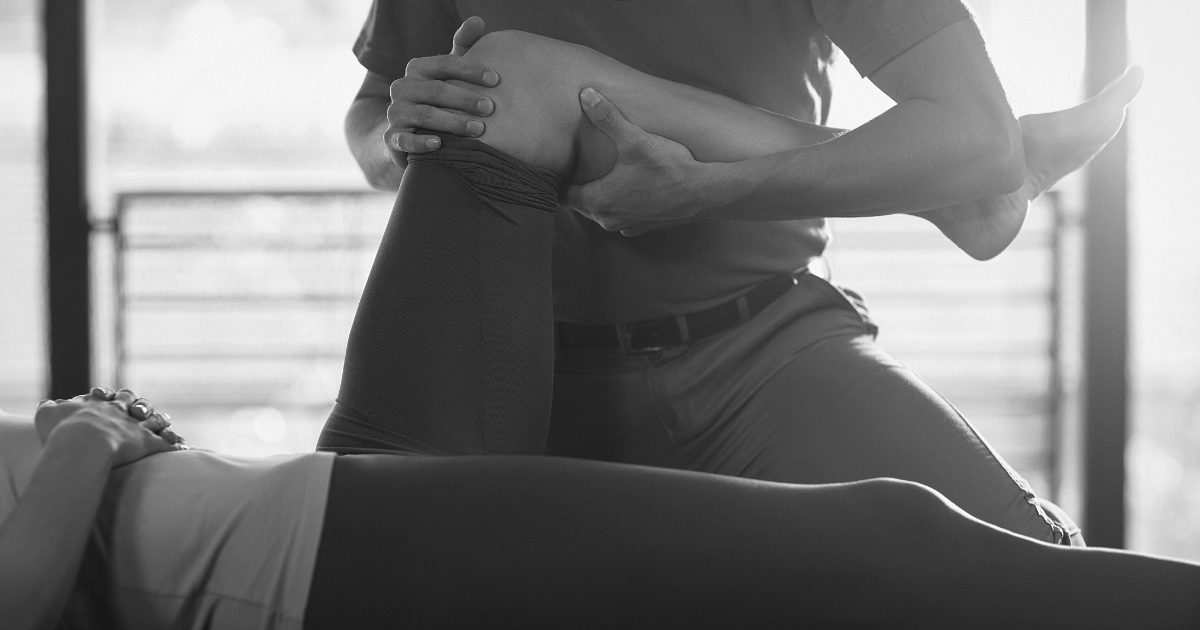
Physical Therapy in Lewes, DE: Recovery is THE Standard
Pain has a way of changing how we move, think, and live. Whether it starts with a sports injury, nagging shoulder pain, post-surgical stiffness, or discomfort that slowly builds over time, pain often becomes something we work around. We adjust our movements, avoid activities we enjoy, and start accepting limitations that were never meant to be permanent.
At THE Standard Physical Therapy & Performance in Lewes, DE, we believe physical therapy should do more than help you feel better for the moment. It should identify why pain or dysfunction started in the first place and create a plan that helps you return stronger, move better, and build resilience for the future.
Too often, healthcare becomes focused on symptom management. Address the pain, reduce discomfort, and move on. But recovery should not stop when symptoms disappear.
Recovery should create a stronger foundation.
That philosophy shapes how we approach Physical Therapy at THE Standard.
Physical Therapy Should Look Beyond Symptoms
Pain is often the final result of something deeper happening within the body. A sore knee may not actually be a knee problem.Lower back discomfort may originate from poor hip mobility. Recurring shoulder pain could be connected to movement patterns, strength imbalances, or limitations elsewhere.
When treatment focuses only on the painful area, underlying issues can remain. Symptoms improve temporarily, but the cause continues to exist. That is why our approach starts with understanding movement as a complete system. We evaluate how your body moves, how it compensates, where restrictions exist, and how strength, mobility, balance, and mechanics influence one another.
Instead of asking:
“Where does it hurt?”
We also ask:
“Why is this happening?”
The answer often leads to more meaningful and lasting progress.
Physical Therapy for Athletes and Everyday Individuals
Many people hear “sports physical therapy” and assume it only applies to competitive athletes. That is not the case.
Movement matters to everyone. The parent carrying a child. The weekend pickleball player.The runner training for a race. The retiree wanting to stay active. The baseball player preparing for next season. The individual recovering from surgery.
Physical therapy is not reserved for elite performance. It is for anyone who wants to move with greater confidence and fewer limitations.
At THE Standard, we work with athletes and everyday individuals because both groups share a common goal:
Move better. Feel stronger. Stay active longer.
Conditions Physical Therapy Can Help Address
Physical therapy can play an important role in restoring function and reducing limitations across a wide range of conditions.
Sports Injuries
Athletes place repetitive stress on the body through training, competition, and movement patterns specific to their sport.
Whether it is a baseball shoulder, knee pain from soccer, a hamstring strain, or repetitive stress from pickleball, injuries often involve more than isolated tissue damage. Movement patterns, strength deficits, workload management, and mobility restrictions all contribute. Physical therapy helps address those factors while creating a progression toward returning safely and confidently to sport.
Post-Surgical Recovery
Surgery may solve one issue, but the recovery process is where long-term success is built. After surgery, mobility limitations, weakness, balance deficits, and movement compensations frequently develop. Physical therapy guides recovery through carefully progressed treatment and exercise designed to restore strength, movement quality, and function.
The goal is not simply recovering from surgery. There is a new Standard, and that is returning to life and activity with confidence.
Joint and Muscle Pain
Persistent discomfort often develops slowly over time. Shoulders become stiff. Hips become restricted. Necks tighten. Knees begin to ache.
Sometimes these issues develop after injury. Other times they result from years of repetitive movement, posture habits, work demands, or reduced activity. Physical therapy identifies contributing factors and develops individualized strategies that restore movement and reduce strain.
Mobility Limitations
Mobility impacts everything to include walking, reaching overhead, rotating, squatting, running, and simply changing direction.
When mobility becomes limited, other areas often compensate. Compensation creates inefficiency and increases stress elsewhere in the body. Physical therapy works to improve movement quality and restore mobility where limitations exist.
Overuse Injuries
Overuse injuries are increasingly common in athletes and active adults. When training volume increases, the stress from repetitive motions accumulate and recovery becomes inconsistent. The body eventually signals that something needs attention.
Conditions like tendon irritation, repetitive strain injuries, and chronic soreness often require more than rest alone. Physical therapy can help identify contributing movement patterns and gradually restore tolerance for activity.
Return-to-Sport Progression
Feeling pain-free does not necessarily mean someone is ready to return to competition. Strength deficits may remain which leads to limited mechanics and slow reaction time.
Return-to-sport progression bridges the gap between rehabilitation and performance.
This process often includes:
- Strength development
- Agility work
- Balance progression
- Power training
- Movement analysis
- Sport-specific demands
The goal is preparing athletes for the demands they will actually experience, not simply clearing them to participate.
Balance and Movement Dysfunction
Balance extends beyond standing on one foot. It reflects coordination, strength, joint control, nervous system function, and confidence in movement. Limitations in balance can influence injury risk, movement efficiency, and overall quality of life.
Improving balance often creates meaningful improvements in everyday function and athletic performance alike.
Our Process Starts With Assessment
No two injuries are identical.
No two bodies move the same way.
That is why treatment should never rely on a template.
Physical Therapy at THE Standard begins with understanding your specific movement patterns and needs.
Assessment may include:
- Movement analysis
- Strength evaluation
- Mobility testing
- Balance assessment
- Functional movement screening
- Lifestyle and activity considerations
- Goal discussion
Understanding the entire picture creates a roadmap for care.
Treatment becomes intentional instead of generic.
Combining Hands-On Care With Active Treatment
Passive treatment alone rarely creates lasting results. Hands-on care can reduce discomfort and improve mobility, but movement and strength create long-term change. Our approach combines both.
Treatment may include:
- Manual therapy
- Soft tissue work
- Mobility interventions
- Corrective exercise
- Strength progression
- Functional movement training
- Sport-specific preparation
The body adapts through movement. Building strength and movement capacity creates resilience that lasts beyond the treatment table.
Why Strength Matters During Rehabilitation
Historically, rehabilitation and strength training were viewed separately. You would be prescribed to finish therapy first and train later. We believe that approach often leaves a gap.
Strength is not simply performance training. Strength is protection. Stronger tissues tolerate stress better. Stronger movement patterns reduce compensation. Stronger athletes and active adults often demonstrate improved resilience.
That is why THE Standard integrates performance principles into rehabilitation when appropriate. The goal is not simply recovering. The goal is building a body capable of handling future demands.
Confidence Is Part of Recovery
Physical recovery is only part of the process. Many people recovering from injury begin to lose trust in movement and become hesitant often leading to further injury. If you are fearful that pain and injury might return, when engaging in activity, then you need both Physical Therapy and Strength to rebuild confidence in your body.
Returning to activity is not just physical, it is mental too.
Recovery Should Not Mean Returning to Baseline
Many people define rehabilitation as returning to where they were before.
We think differently. Injury creates an opportunity to learn more about the body and improve weaknesses that may have existed long before symptoms appeared.
With a personalized focus, bodies return to form with increased strength, mechanics, and confidence to discover a stronger body than you started with.
Recovery should not simply restore, it should improve.
Physical Therapy in Lewes, DE That Looks at the Whole Person
At THE Standard Physical Therapy & Performance, we believe rehabilitation and performance belong together. We connect movement and strength for every client. Your wellness matters.
Whether you are recovering from injury, managing pain, returning from surgery, or simply trying to move better, physical therapy should provide more than short-term relief.
Because recovery should not simply get you back.
It should help increase your Standard.
Train smarter. Move stronger. Recover better.
Whether you are recovering, developing, competing, or simply trying to stay active, THE Standard is built to help you move with confidence and build long-term results.